5 UPF Layering Mistakes That Show Up in Early Fall Sun
Quick Answer: Cooler temperatures don’t lower UV, but they change how people layer - and most of those changes quietly reduce coverage. The five biggest mistakes are stacking loose weaves, pushing sleeves up, trusting a dark outer layer over a sheer one, unzipping the chest, and dropping the neck cover once the sweating stops.
August into September is the sneakiest sun window of the year. The air says fall, the UV index still says summer, and your layering instincts have already switched seasons. Here are the five mistakes that show up every year, in order of how often they happen.
Mistake 1: Stacking two loose weaves and calling it double protection
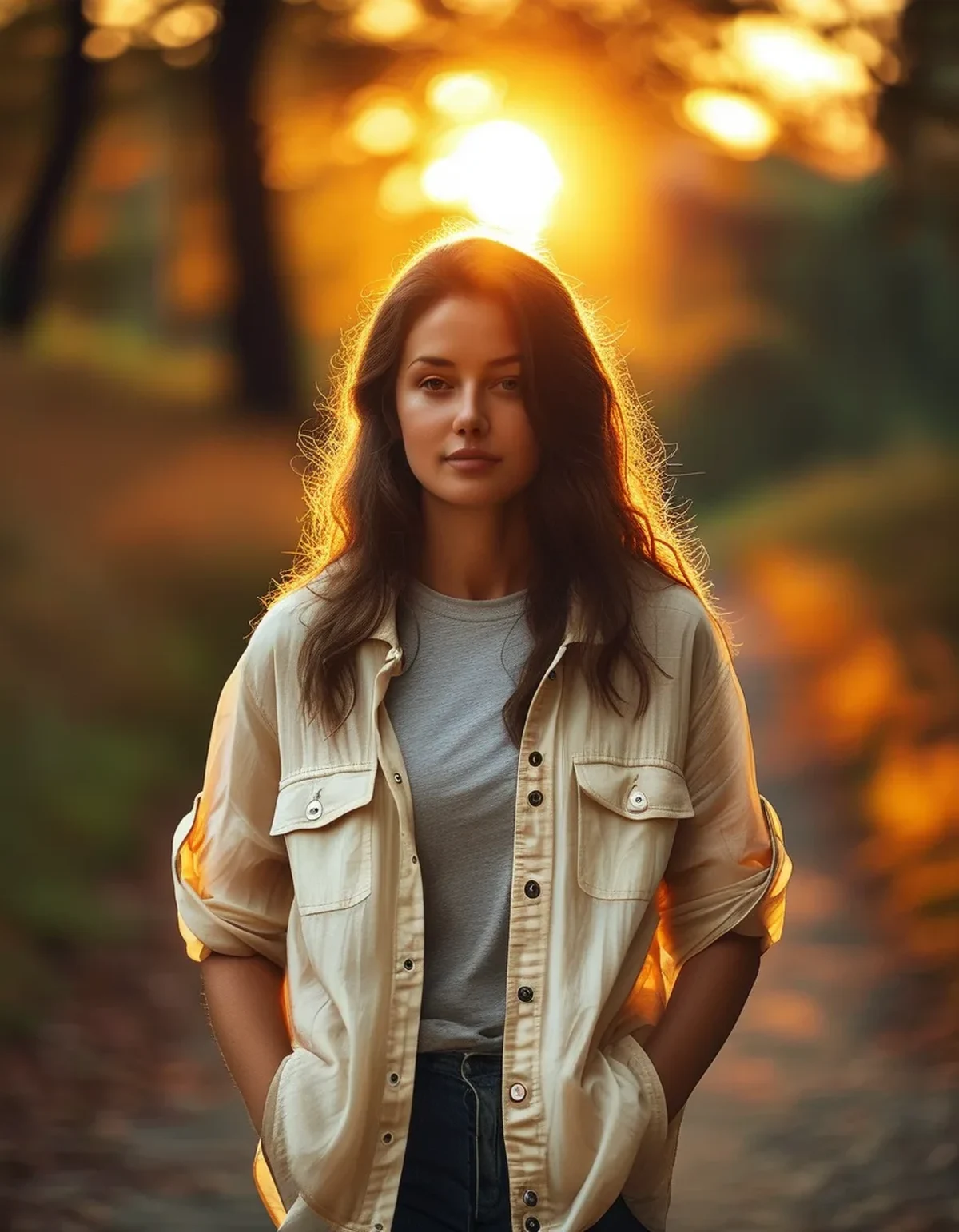
Two sheer layers do not add up to one rated layer. UPF is about how much UV the fabric structure blocks, and a loose weave over another loose weave still leaves aligned gaps for light to pass through.
A UPF 50+ single layer blocks about 98% of UV. Two unrated cotton layers might get you to the equivalent of UPF 10 to 15 combined - noticeably better than one, but nowhere near what the label on a rated garment promises.
What to wear instead: make the base layer the rated one. If only one piece in your outfit has a UPF rating, it should be the one touching your skin, because that’s the layer you’ll still be wearing when the outer one comes off at mile three.
Mistake 2: Pushing your sleeves up the moment you warm up
This is the single most common failure and it happens without any decision being made. You warm up on the climb, the sleeves go up to the elbow, and the forearms - some of the highest cumulative-dose skin on your body - are bare for the rest of the day.
Forearms and the back of the hands are where long-term sun damage shows up first in people who spend time outdoors, precisely because they’re the areas that get uncovered casually rather than deliberately.
What to wear instead: a lighter-weight UPF layer you won’t want to push up, rather than a heavier one you will. A thin 50+ hoodie in a light color often runs cooler than a mid-weight shirt, and cool sleeves stay down.
Mistake 3: Assuming the dark outer layer is doing the protecting
Color does affect UV absorption - darker dyes generally absorb more UV than pale ones at the same weave density. But that only matters when the fabric is actually blocking, and an unrated dark flannel worn open over a white tee protects almost nothing on your chest and stomach.
The outer layer is only protecting the skin it fully covers. An open shirt is a two-panel garment that covers your outer arms and your back.
What to wear instead: if the outer layer stays open, treat it as an arms-and-back garment and make sure the front torso is covered by something rated. Or button it, which people rarely do once the temperature drops enough to want a jacket at all.
Mistake 4: Unzipping the chest and forgetting the V of exposed skin
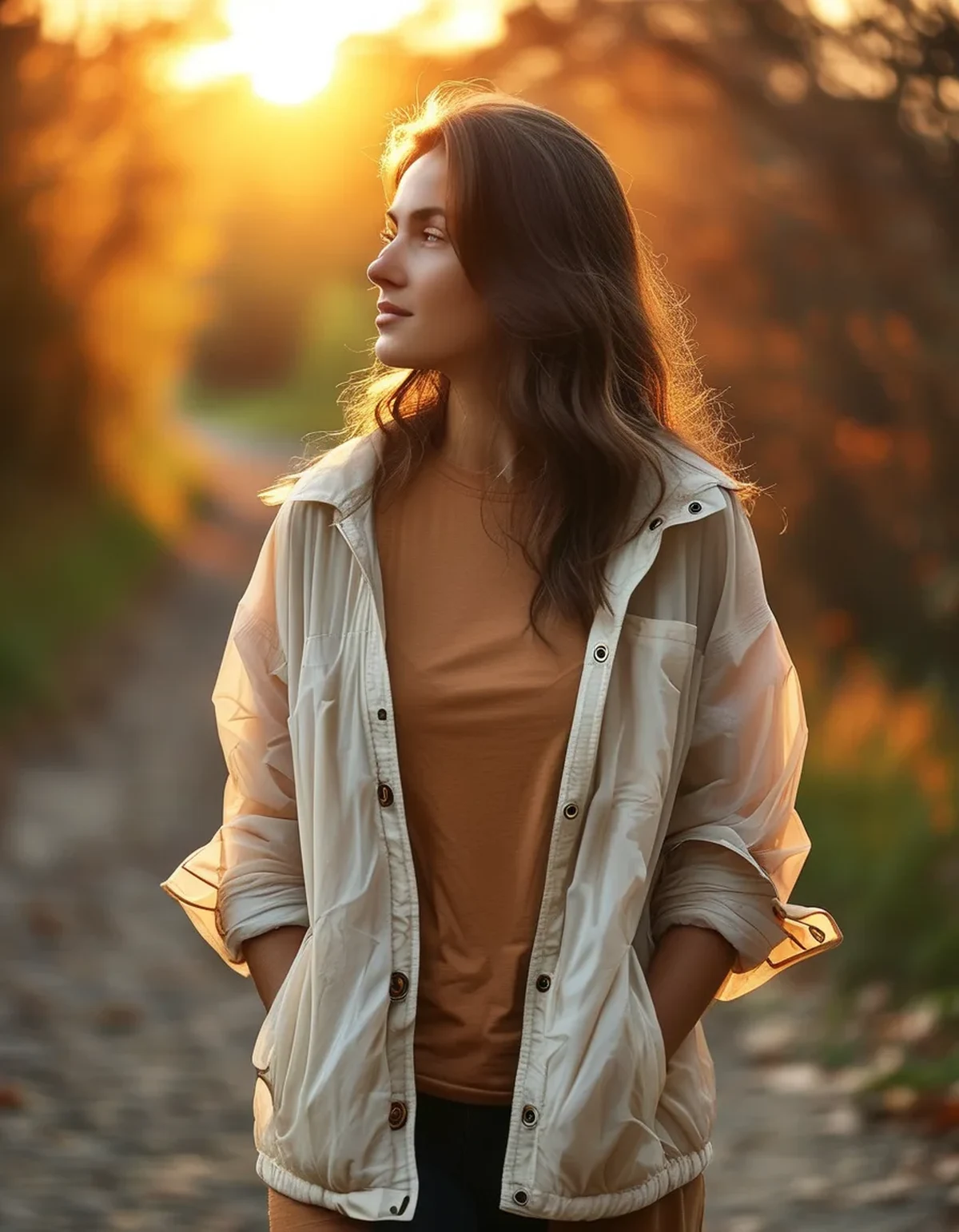
A quarter-zip pulled down creates a triangle of chest and upper sternum skin that sits at close to a horizontal angle to the sun - one of the highest-dose orientations on the body during midday.
This area also happens to be where sun damage is most visible over time, and it’s rarely part of anyone’s sunscreen routine on a day that started at 55 degrees.
What to wear instead: either keep a rated crew-neck base underneath, or accept the unzip and apply sunscreen to the V before you leave. The second option requires remembering it in cool morning air, which is exactly why the first one works better.
Mistake 5: Dropping the neck gaiter once you stop sweating
In peak summer, a neck gaiter earns its place for cooling as much as coverage, so people wear it without thinking. As soon as the sweat stops, it comes off - and the back of the neck, which sees more direct overhead sun than almost anywhere else, goes bare.
Lower autumn sun angles do reduce peak intensity, but they also mean sun arrives more from the side, hitting the sides of the neck and the ears more directly than a July noon would.
What to wear instead: switch from a cooling gaiter to a lighter merino or thin knit one that’s comfortable in cool air. Same coverage, different reason to keep it on. A brimmed hat handles the top of the neck; the sides and back still need fabric.
FAQ: Fall UPF Layering Questions, Answered
Does UV really stay high into September?
UV index commonly still reaches 6-8 in early September across much of the US - solidly in the range where unprotected skin burns. The temperature drops faster than the UV does.
Do I still need UPF on cloudy fall days?
Thin cloud cover can let through a large share of UV, and broken clouds occasionally scatter it upward. If you can see your shadow, you’re getting meaningful exposure.
Does layering reduce breathability enough to matter?
It can, which is why the base-layer-rated approach works better than stacking. One well-chosen rated layer usually breathes better than two unrated ones.
TL;DR:
- Two loose weaves don’t equal one rated layer - make the base layer the rated one
- Sleeves pushed up expose forearms, the highest cumulative-dose skin most people have
- An open outer layer only protects arms and back, not the chest
- The unzipped chest V and the back of the neck are the two spots that go bare first in cool weather
- Early September UV still commonly hits 6-8 even when the air feels like fall
Cool air changes how you layer long before it changes how much UV reaches you.
Keep Reading
This article is for general informational and styling purposes only. Fit, sizing, and product availability may vary.