Does Darker UPF Clothing Actually Protect Better Than Lighter Colors?
Quick Answer: Darker colors do generally absorb more UV radiation than lighter colors in the same fabric, but the actual UPF (Ultraviolet Protection Factor) rating — determined by fabric weave density, thickness, and any UV-treatment finish — matters far more than color alone, meaning a well-constructed light-colored UPF 50 garment protects more reliably than a dark-colored garment with no UPF rating or a loose, thin weave.
Color is a real but secondary factor; checking the actual UPF number is the reliable way to compare protection, not judging by shade alone.
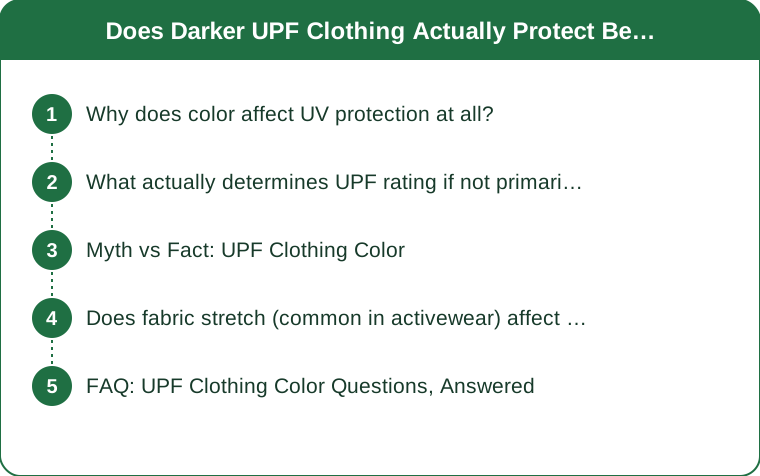
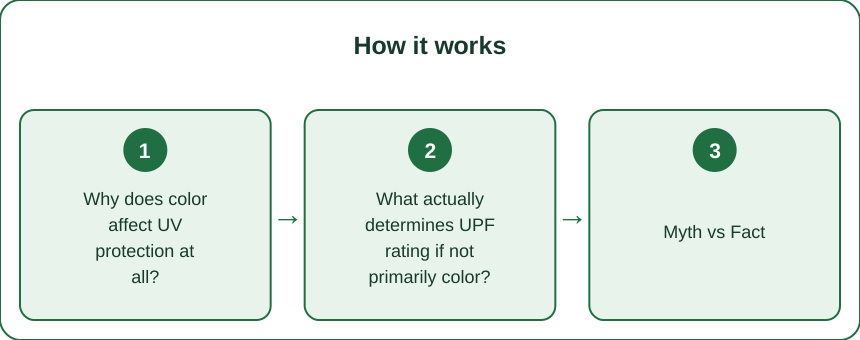
Why does color affect UV protection at all?
Because darker pigments absorb more light energy across the spectrum, including UV wavelengths, converting it to heat rather than letting it pass through the fabric to skin. This is a real, measurable effect — but it’s a relatively modest factor compared to how tightly woven and how thick the fabric itself is, which determines how much UV gets through in the first place regardless of color.
What actually determines UPF rating if not primarily color?
Weave tightness (how much light passes through gaps between threads), fabric thickness, fiber type, and UV-absorbing chemical treatments applied during manufacturing are the primary drivers of a garment’s actual UPF number. A loosely woven, thin fabric in a dark color can still have a lower effective UPF than a densely woven light-colored fabric specifically treated and tested for sun protection.
Myth vs Fact: UPF Clothing Color
Myth: Any dark-colored shirt provides meaningful extra sun protection. Fact: An untreated, loosely woven dark shirt can still have a surprisingly low UPF rating — color alone doesn’t guarantee protection without adequate weave density.
Myth: Light-colored UPF clothing is automatically less protective. Fact: A properly rated UPF 50+ light-colored garment, built with tight weave and UV treatment, protects as reliably as a dark equivalent — the rating, not the shade, is the reliable indicator.
Myth: Wet fabric protects the same as dry fabric regardless of color. Fact: Wet fabric generally loses some UPF effectiveness as fibers spread apart when saturated, a factor that applies across colors and is worth checking on a garment’s specific wet-rating if it’s swimwear.
Does fabric stretch (common in activewear) affect UPF the same way?
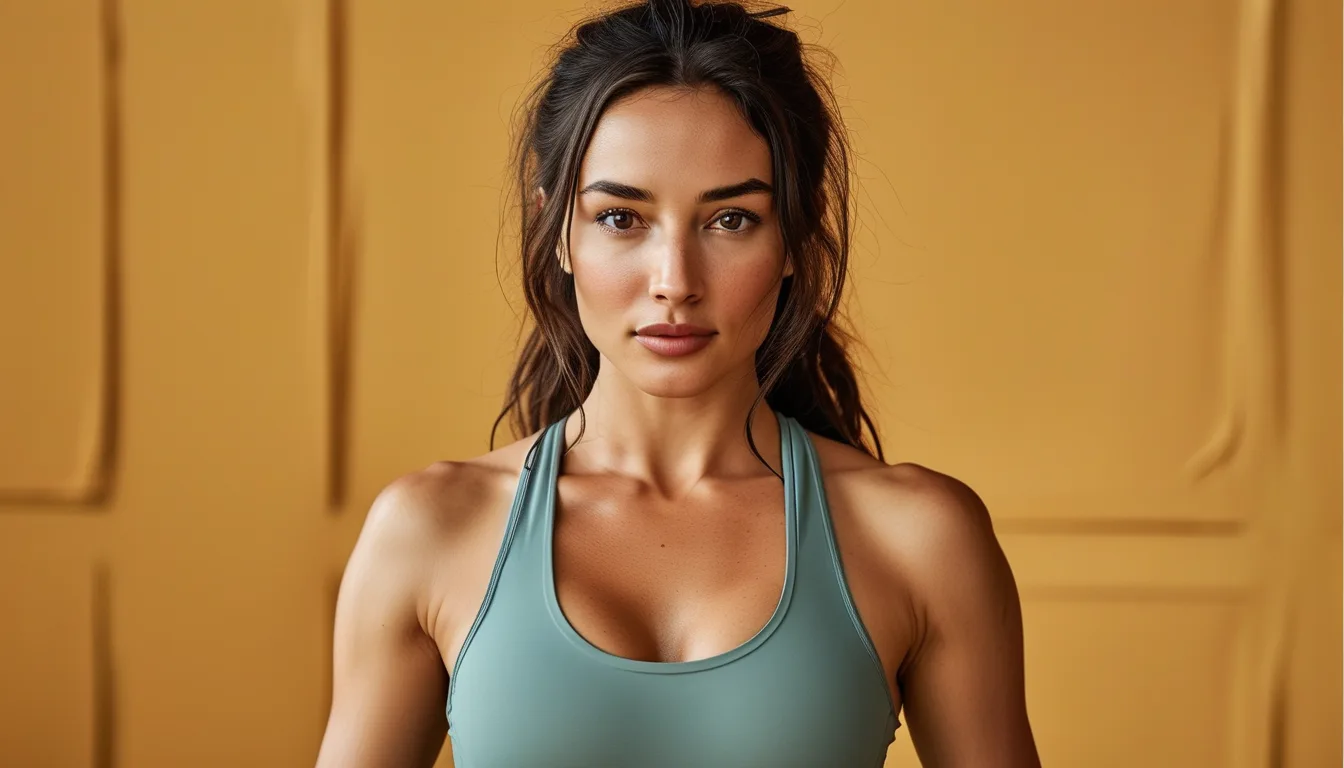
Yes, meaningfully — stretched fabric has more space between fibers than the same fabric relaxed, which can reduce effective UPF during actual wear and movement compared to the rating tested on unstretched fabric. This matters specifically for form-fitting UPF activewear, where movement during exercise stretches the fabric more than a looser cut would.
FAQ: UPF Clothing Color Questions, Answered
Is it worth choosing dark UPF clothing over light UPF clothing if both have the same rating?
Not for protection purposes — if both carry the same tested UPF number, color becomes a personal preference and heat-comfort factor rather than a protection difference.
Does dark clothing feel hotter in the sun, and does that matter for choosing sun protection?
Yes — dark colors absorb more heat as well as more UV, which can make dark UPF clothing feel warmer in direct sun, a real comfort tradeoff worth weighing against the modest color-based protection difference.
How can you tell if a garment’s UPF rating is reliable?
Look for an actual tested and labeled UPF number (from the manufacturer, ideally referencing a recognized testing standard) rather than assuming any ‘sun protective’ marketing claim without a specific number attached.
TL;DR:
- Darker colors do absorb somewhat more UV, but it’s a secondary factor, not the main driver of protection
- Weave density, fabric thickness, and UV treatment determine the actual UPF number
- A light-colored, properly rated UPF 50 garment protects as reliably as a dark equivalent
- Stretched activewear fabric can have lower effective UPF than its rested, tested rating
Check the actual UPF number on the label — color is a real but minor factor next to fabric construction.
Keep Reading
This article is for general informational and styling purposes only. Fit, sizing, and product availability may vary.