UPF Clothing: Sun Protection You Cannot Forget to Reapply
Here is the sun-protection fact that reframes the whole SPF conversation: the average woman applies a quarter to half the sunscreen dose the bottle assumes, forgets reapplication by hour three, and misses the shoulder blades entirely — while a UPF 50 shirt blocks 98% of UV all day, every day, with zero user error. Sun-protective clothing is the set-and-forget layer of sun safety, the dermatology world’s quiet favorite, and — after a style revolution in the category — no longer looks like fishing-guide gear. Here is the complete guide to wearing your sunscreen.

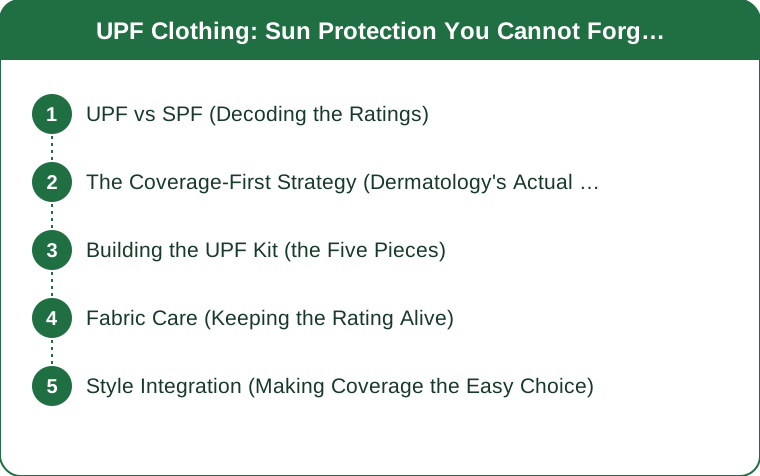
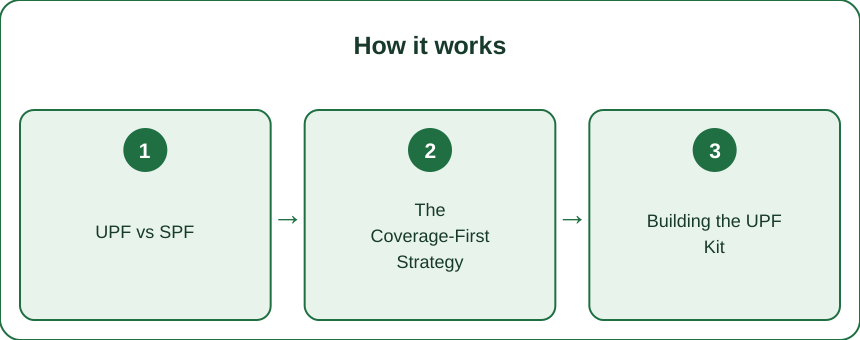
UPF vs SPF (Decoding the Ratings)
The alphabet, sorted: SPF measures sunscreen’s UVB delay factor and depends utterly on dose and reapplication (the user-error variables covered above), while UPF rates fabric’s blockage of both UVA and UVB — UPF 30 blocks 96.7% of UV, UPF 50+ blocks 98%+, and the rating holds all day without reapplication because fabric does not sweat off. Regular clothes have incidental UPF worth knowing: a dry white cotton tee runs roughly UPF 5–7 (and drops when wet — the beach-cover-up illusion), dark dense fabrics run higher, and stretched-thin fabric loses protection (hold it to light: what you can see through, UV sails through). Certified UPF garments earn their rating through tight weaves, treated fibers or dense synthetics — engineered, tested and labeled. The comparison verdict: UPF clothing is more reliable protection per covered inch than real-world sunscreen use — which is why the strategy below covers with fabric first and paints the remainder with SPF.
The Coverage-First Strategy (Dermatology’s Actual Playbook)
The professional hierarchy of sun protection, in order: shade and timing (the 10am–4pm intensity window respected), coverage (UPF clothing, hats, sunglasses — the passive, error-proof layer), then sunscreen on what remains exposed (face, hands, neck gaps — now a manageable painting job instead of a full-body application you will under-dose). The reframe changes summer logistics entirely: a UPF shirt and hat turn the beach day’s sunscreen problem from reapply-everything-hourly into face-and-hands touch-ups, active outdoor days (hiking, paddling, garden marathons) stop depending on sweat-defeated lotion, and the annual sunscreen budget drops as fabric absorbs the coverage burden. For the skin-cancer-aware, the melasma-prone (UPF plus hat is the melasma management uniform) and mothers of squirming sunscreen-resistant children, coverage-first is not a style choice. It is the system that actually executes.

Building the UPF Kit (the Five Pieces)
The starter wardrobe: the UPF shirt or rash guard (the workhorse — long-sleeve UPF 50 in a lightweight wicking fabric; the modern cuts pass as regular athleisure and the pastel-and-pattern era ended the uniform-navy monopoly), the wide-brim hat (three-inch-plus brim protecting face, ears and neck — the packable crushable versions solved the travel problem; baseball caps protect the face triangle and abandon the ears and neck), UV sunglasses (UV400-rated — eye protection is cumulative like skin, and squint-line prevention is the vanity bonus), the swim tier (UPF swim shirts and leggings — the surf-culture normalization made swim coverage stylish, and swim fabric holds its rating wet), and the accessories bench (UPF neck gaiters for runners, arm sleeves for driving and cycling — the drive-side sun-damage asymmetry is real and sleeves are its cheap fix, and sun gloves for the hands that show age first). Total kit: $150–250 assembled gradually, lasting years of summers. Cost-per-protected-day arithmetic embarrasses every sunscreen bottle in the house.
Fabric Care (Keeping the Rating Alive)
The maintenance rules — because UPF is a physical property with a lifespan: wash gently and air dry (the familiar technical-fabric liturgy — heat and harsh cycles degrade fibers and the treated finishes some garments rely on; a stretched, thinned, sun-bleached UPF shirt is quietly demoting itself), watch for wear-thinning at stress points (shoulders under pack straps, elbows — held to light, the see-through test applies), expect treated-finish garments to rate their protection in wash-cycles (the label discloses it — typically 20–40 washes for treatments, while weave-based protection lasts the garment’s structural life), and retire pool-chlorine-exposed swim pieces on an honest schedule (chlorine ages elastane and weave density together). The good news embedded in the rules: quality weave-based UPF wear, cared for like the activewear it is, protects for years — the rating dies of fabric fatigue, not calendar time. Treat it like gear, because it is.
Style Integration (Making Coverage the Easy Choice)
The adoption layer — because protection only works when worn: build outfits where coverage is the default rather than the add-on (the UPF shirt as the summer errand top, not the special beach equipment retrieved from a bin), exploit the athleisure camouflage (current UPF cuts read as normal activewear — nobody at the farmers market knows your cute white long-sleeve is rated 50+), embrace the linen-adjacent looks for non-active days (loose, light, dense-weave summer dresses and shirts deliver real protection with zero technical aesthetic), let the hat become signature rather than concession (the wide-brim as a style identity move — a solved problem for a century of stylish women), and run the two-minute morning check on high-UV days: what is exposed, and is the exposure painted? The endgame is sun protection as wardrobe rather than task — worn out the door, working all day, forgotten entirely. Which was always the point: the best sun protection is the kind that cannot be forgotten, because you are wearing it.
UPF clothing, decoded: fabric-first coverage (98% blocked, all day, zero reapplication), a five-piece kit that passes as athleisure, care rules that keep the rating alive, and sunscreen demoted to painting the gaps. The sunburn you prevent by getting dressed is the easiest dermatology win of the summer. Start with one UPF 50 long-sleeve and the wide-brim hat — worn this weekend, forgotten by noon, working till sunset. That amnesia is the feature.
Keep Reading
This article is for general informational and styling purposes only. Fit, sizing, and product availability may vary.