Why the Color of Your Sun Shirt Changes How Much It Actually Protects
You would assume a white shirt keeps you cooler and just as protected as a dark one, and the cooler part is often true. But when it comes to actually blocking ultraviolet rays, color matters more than most people realize, and the lightest shirt in your drawer is frequently the weakest sunscreen. Here is how color and darkness change a fabric’s sun protection, why the coolest choice is not always the safest, and how to balance the two on a hot bright day.
Darker and richer colors absorb more UV
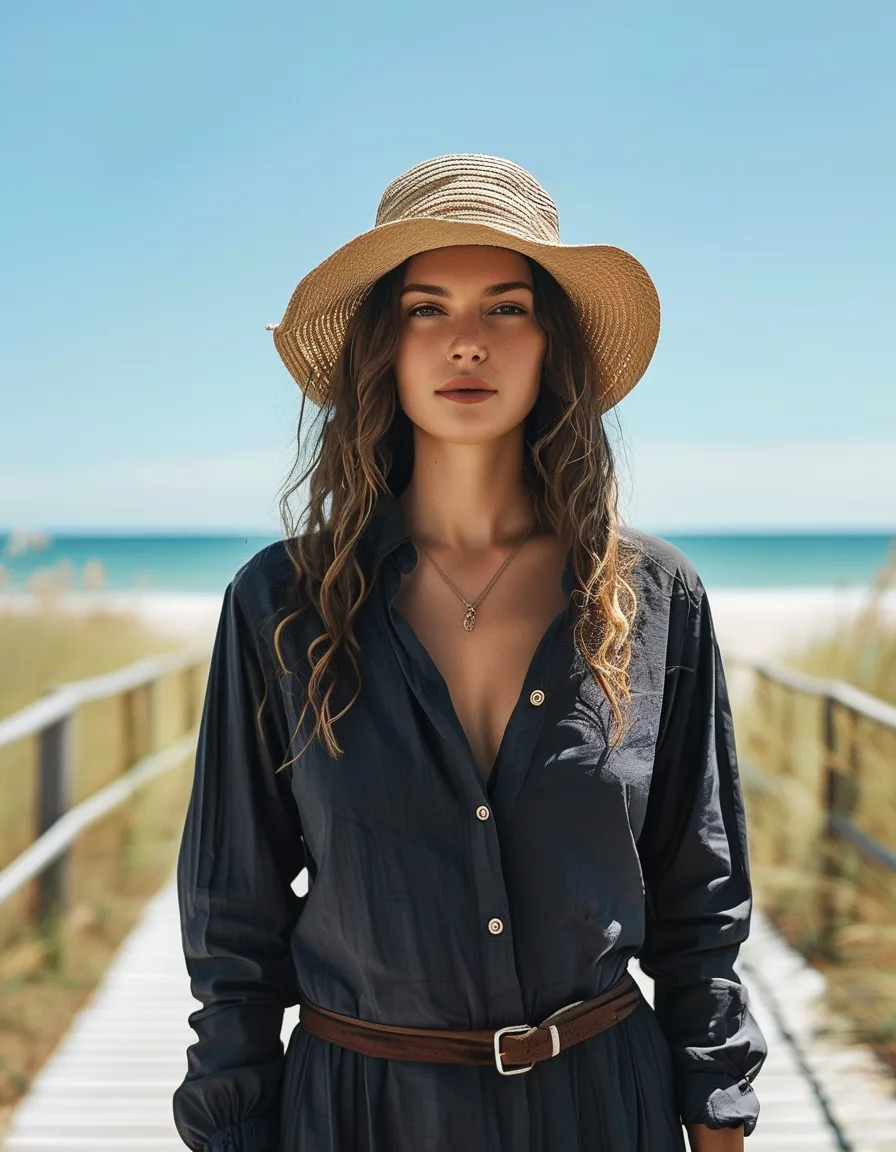
Ultraviolet protection depends partly on how much UV a fabric absorbs before it reaches your skin, and darker, more saturated colors absorb considerably more than pale ones. A deep navy, black, or rich red shirt soaks up UV rays that a thin white tee lets pass through. This is why two shirts of the same fabric and weave can carry very different real-world protection: the pigment itself is doing part of the blocking. Color is not just a style choice on a sunny day; it is quietly part of your defense.
The trade-off with heat
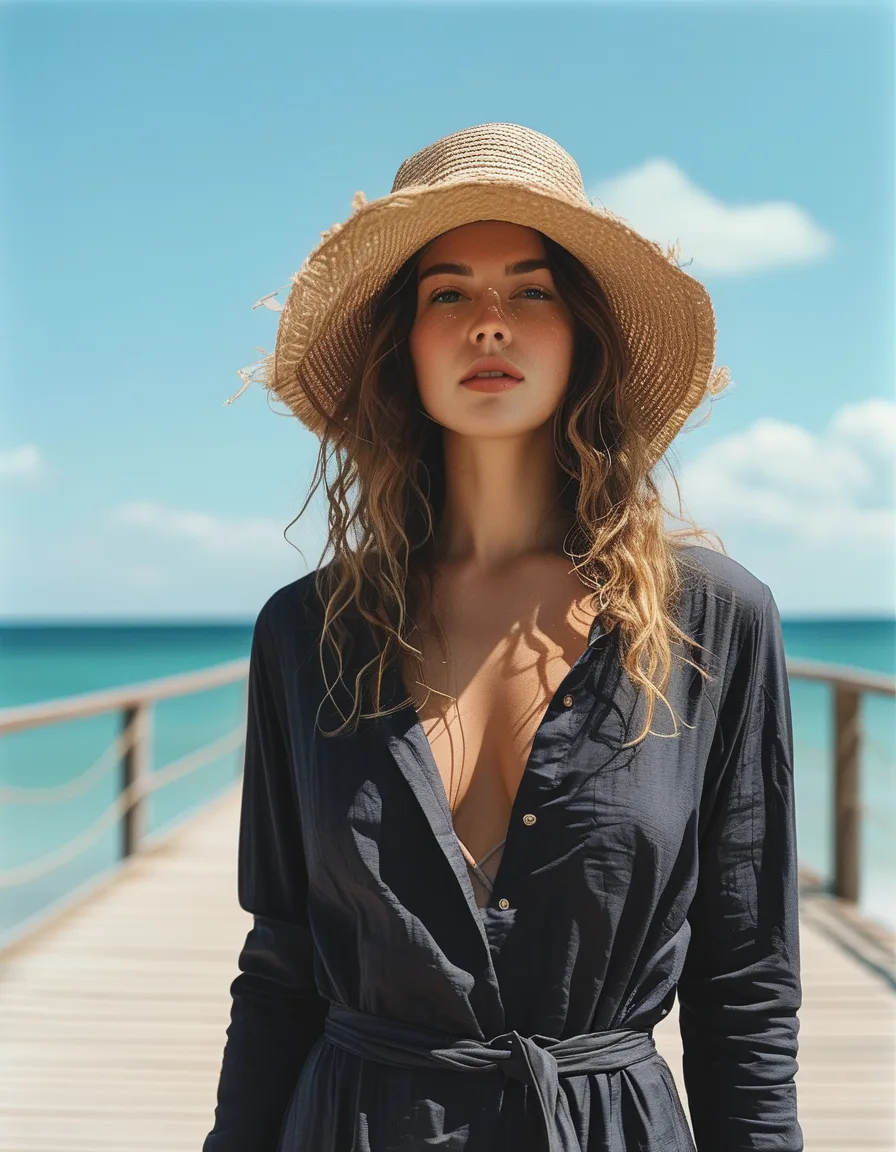
Here is the tension: darker colors that block more UV also absorb more heat, so the shirt that protects best can feel hottest in direct sun. This is the real reason people reach for white or pale clothing in summer, and staying cool genuinely matters for comfort and safety. The resolution is not to suffer in black but to look for garments engineered to do both jobs, using tight weaves and technical fabrics that offer high protection in lighter colors, or loose breathable cuts in darker ones that let air move while the pigment blocks rays.
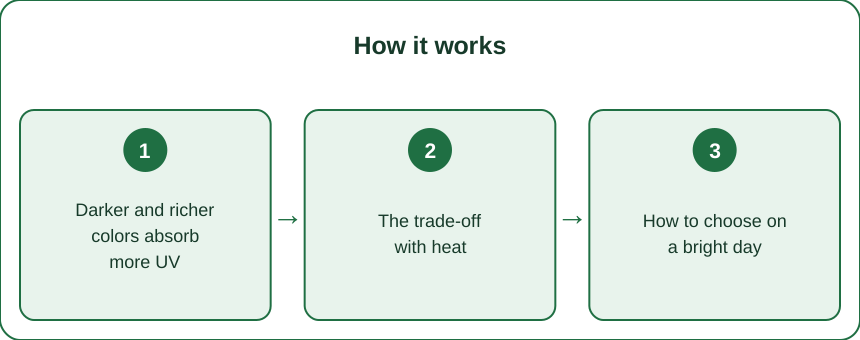
How to choose on a bright day
Rather than agonize over color alone, look for a rated UPF number on sun-specific clothing, which accounts for color, weave, and fabric together and takes the guessing away. When you are choosing ordinary clothes without a rating, favor deeper colors and tighter weaves for the parts of a long exposure that matter most, and manage heat with loose, breathable cuts rather than sheer pale fabric. A darker, airy long-sleeve often beats a thin white tee on both fronts, protecting more while still letting you breathe.
Color is a quiet variable in sun protection that most people overlook. Darker, richer shades absorb more ultraviolet and block more of it from reaching your skin, while pale fabrics often let more through even when they feel cooler and lighter. The trade-off is heat, since darker colors warm up in the sun, but the answer is smart fabric and cut rather than resigning yourself to being either hot or exposed. When it matters, check for a rated UPF number, and otherwise lean toward deeper colors and breathable weaves. The coolest-looking shirt is not always the safest one, and now you know why.
Keep Reading
This article is for general informational and styling purposes only. Fit, sizing, and product availability may vary.