Does Chlorine Actually Wear Down UPF Protection in Swimwear?
Quick Answer: Chlorine gradually breaks down the fibers and dyes in UPF swimwear, and heavily chlorinated pool use can measurably reduce UPF rating over a season of regular wear — rinsing promptly after swimming and avoiding harsh detergents extends protective life significantly.
That UPF 50 swimsuit protected you perfectly last summer. After a season of daily laps, it might not be doing the same job this year — and there’s usually no visible sign until it’s tested.

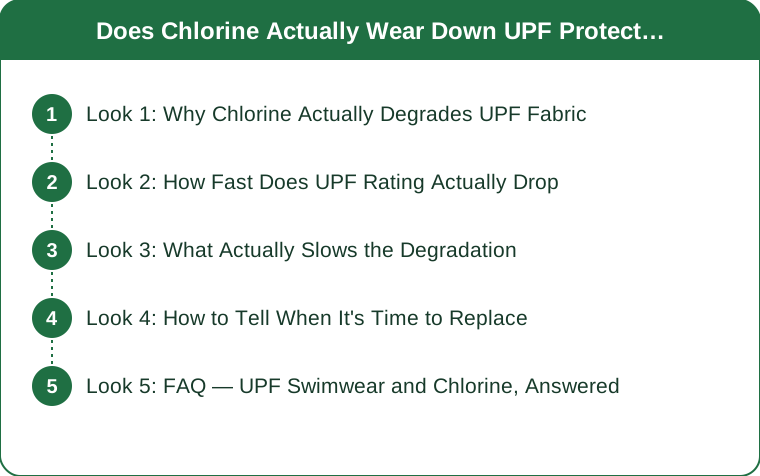
Look 1: Why Chlorine Actually Degrades UPF Fabric
Chlorine is an oxidizing agent, and it doesn’t just fade color — it gradually breaks down the polymer chains in synthetic fabrics that give UPF swimwear its tight, protective weave. Over dozens of pool sessions, that breakdown can loosen the fabric structure enough to let more UV through than the original rating promised.
The effect compounds with exposure time and chlorine concentration, meaning daily lap swimmers see faster degradation than occasional beach-and-pool wearers, even with the same suit.
Look 2: How Fast Does UPF Rating Actually Drop
There’s no universal timeline since chlorine levels and swim frequency vary widely, but heavily used pool swimwear commonly shows measurable UPF decline within a single season of near-daily use, even when the suit still looks structurally fine.
This is part of why competitive and frequent-lap swimmers are often advised to treat swimwear as a seasonal replacement item for sun protection purposes, separate from when it simply looks worn out.

Look 3: What Actually Slows the Degradation
Rinsing in fresh water immediately after swimming removes residual chlorine before it continues reacting with the fabric after you’ve left the pool — this single habit meaningfully extends protective lifespan.
Avoiding the washing machine’s hot cycle and harsh detergents, hand-washing in cool water instead, also preserves both fabric integrity and color, which is a reasonable visual proxy for UV protection even without lab testing.
Look 4: How to Tell When It’s Time to Replace
Noticeable fading, thinning, or increased stretchiness/sheerness in a UPF swimsuit are reasonable signs the protective weave has loosened, even without a lab test confirming the exact UPF number.
Holding the fabric up to bright light is a rough, informal check — if you can see more light through it than you remember when it was new, that’s worth treating as a real signal, not just a cosmetic one.

Look 5: FAQ — UPF Swimwear and Chlorine, Answered
How often should serious pool swimmers replace UPF swimwear?
Many competitive swim programs suggest replacing chlorine-exposed suits every season for both performance and sun-protection reasons — a reasonable guideline for frequent lap swimmers specifically.
Does saltwater degrade UPF fabric the same way chlorine does?
Saltwater is generally gentler on synthetic fibers than chlorine, though sun and sand exposure add their own wear — ocean swimwear tends to last visually longer even with similar sun exposure.
Can you test your own swimwear’s UPF rating at home?
Not precisely, but the light-check method offers a rough estimate — for anyone relying heavily on sun protection, buying a fresh-rated suit each season is the more reliable choice over guessing.
TL;DR:
- Chlorine breaks down UPF fabric’s protective weave over repeated exposure
- Frequent lap swimmers may see real UPF decline within a single season
- Rinse in fresh water immediately after swimming to slow the breakdown
- Fading, thinning, or new sheerness are practical signs it’s time to replace
Treat heavily chlorinated swimwear as a seasonal protective item, not a forever piece — the sun exposure it’s meant to block doesn’t pause while the fabric quietly wears out.
Keep Reading
This article is for general informational and styling purposes only. Fit, sizing, and product availability may vary.