Why UPF Sun Protection in Clothing Drops Significantly Once Fabric Gets Wet
Quick Answer: Yes, UPF shirts still work when wet — but less well than the label suggests, because UPF ratings are measured on dry fabric. Water fills the tiny gaps between fibers that help block UV, and wet fabric clings and thins against the body. Buy UPF 50+ rather than the minimum, look for garments tested for wet performance, and keep sunscreen on any skin the fabric doesn’t fully cover.
A shirt rated UPF 50 sounds like strong, dependable sun protection. Buy it, wear it swimming, done.
The catch is in how that number is generated: it’s measured on dry fabric. Which is not the condition the shirt is in during exactly the activity you bought it for.
Do UPF Shirts Still Work When Wet?
They do — they just don’t deliver the number on the tag.
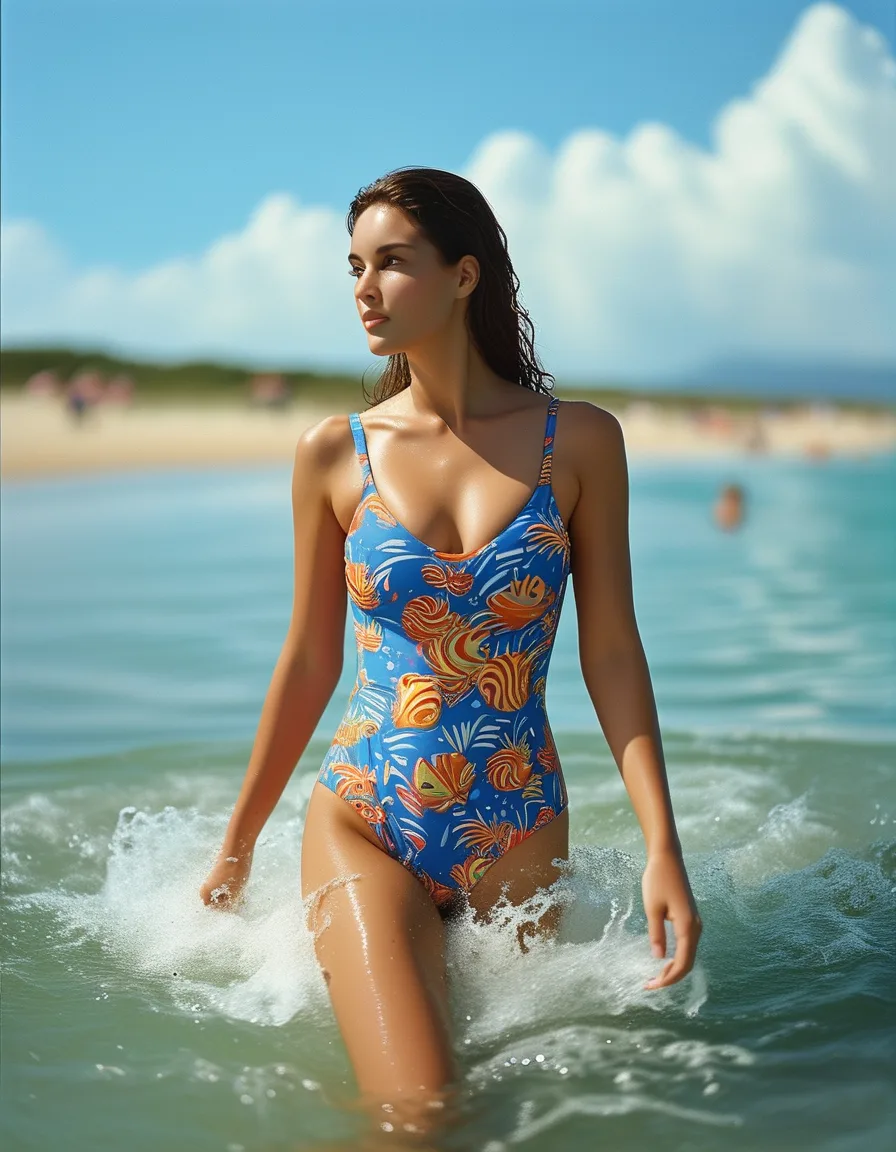
Water fills the gaps between fibers. A fabric’s UV blocking depends partly on the tiny air spaces in its weave. Those gaps scatter and absorb UV. Fill them with water and some of that blocking effect changes, letting more UV through.
Wet fabric clings and thins. A saturated shirt stretches and presses flat against your skin, which alters its effective density and how much of that structure is doing protective work.
The drop varies a lot by fabric. Tightly woven synthetics engineered for water hold up considerably better than loose cotton, which can lose a substantial share of its rating when soaked. This is why an ordinary cotton t-shirt is a poor swimming cover-up — dry, it’s modest protection; wet, it’s much less.
The honest framing: a dry UPF rating describes performance under a condition that doesn’t hold during exactly the activities when the rating matters most.
What Rating Should You Buy for Water Activities?
Build in a buffer. Don’t shop for the minimum rating that meets your dry needs. Start higher specifically because effective protection during actual water activity will be lower than the printed number.
Favor UPF 50+ for anything involving water. Starting from a higher rating leaves more protective margin remaining after the same proportional drop than a lower rating would. UPF 50+ that drops still leaves you well protected; UPF 15 that drops leaves you with very little.
Look for wet-tested labeling. A small subset of products actually disclose wet-specific performance. It’s uncommon, but it’s far more useful information for swimwear than a dry rating, and it’s worth searching product specs for.
Prioritize the fabric type. Tightly woven, water-oriented synthetics — the kind used for rash guards and swim shirts — are engineered with this in mind. A swim-specific UPF garment is a genuinely different product from a UPF hiking shirt.
Darker and denser is better. Deeper colors absorb more UV, and denser weaves have fewer gaps for water to fill in the first place.

Myth vs Fact
Myth: “A UPF 50 shirt means I don’t need sunscreen.” Fact: Not on skin the shirt doesn’t cover — and the shirt’s own performance changes once wet. Neck, ears, face, hands, and the strip below the sleeve all still need sunscreen, reapplied on the normal schedule.
Myth: “Any t-shirt is sun protection in the water.” Fact: A wet white cotton tee is close to the weakest option available. It’s the classic beach mistake — it feels like coverage and delivers relatively little.
Myth: “UPF is permanent.” Fact: It degrades. Repeated wet-dry cycles, chlorine, salt, stretching, and general wear all reduce the protective properties over time. Swim-specific UPF pieces wear out faster than everyday UPF clothing.
Myth: “Wet means the shirt is useless.” Fact: Also wrong. A wet UPF 50+ swim shirt still provides substantially more protection than bare skin or a cotton tee. The point is to adjust expectations and add a margin, not to abandon the garment.
How Should You Plan a Swim Wardrobe Around This?
- Treat the dry number as a starting point, not guaranteed in-water performance. Adjust expectations instead of assuming the label holds throughout a swim session.
- Keep sunscreen on everything the fabric doesn’t fully cover — and reapply on schedule, including after swimming. UPF clothing is a layer in the system, not a replacement for it. See the UPF clothing guide for how the pieces fit together.
- Replace swim UPF garments more proactively than your everyday UPF pieces. Repeated water exposure, chlorine and stretching degrade them faster. If a swim shirt has gone thin, faded, or noticeably stretched, its protection has gone with it.
- Add shade and timing. The most reliable protection during peak UV hours (roughly 10am–4pm) is not being in direct sun. A rash guard is a supplement to that, not a substitute.
- Choose long sleeves for long water sessions. Coverage area is the variable you fully control, and it doesn’t degrade when wet.
FAQ
How much protection does a UPF shirt lose when wet?
It depends heavily on the fabric — a loose cotton weave can lose a large share, while a tightly woven swim-specific synthetic loses much less. Because the range is so wide, the practical advice is to start from UPF 50+ rather than to memorize a percentage.
Does a rash guard protect better than a regular UPF shirt in water?
Generally yes. Rash guards are built from tight synthetic knits designed to be worn wet, so they retain more of their protection than a shirt designed for dry-land use.
Does sunscreen under a UPF shirt help?
It’s reasonable insurance for long water sessions, especially on shoulders and upper back where fabric clings and stretches most. It’s not required for everyone, but it costs nothing to add.
How often should you replace swim UPF clothing?
Watch the fabric rather than the calendar: thinning, fading, visible stretch, or a fabric you can see light through means the protection has dropped. Heavy-use swim pieces often need replacing every season or two.
TL;DR:
- UPF ratings are measured dry; water fills the fiber gaps that block UV, so wet performance is lower.
- Wet fabric also clings and thins, changing its effective density.
- Loose cotton loses the most; tightly woven swim synthetics hold up best.
- Buy UPF 50+ for water activities so you keep margin after the drop.
- Look for wet-tested labeling where it exists — it’s rare but far more useful.
- Keep sunscreen on uncovered skin regardless of what you’re wearing.
- Replace swim UPF pieces proactively; wet-dry cycles degrade them faster than normal wear.
Keep Reading
This article is for general informational and styling purposes only. Fit, sizing, and product availability may vary.